
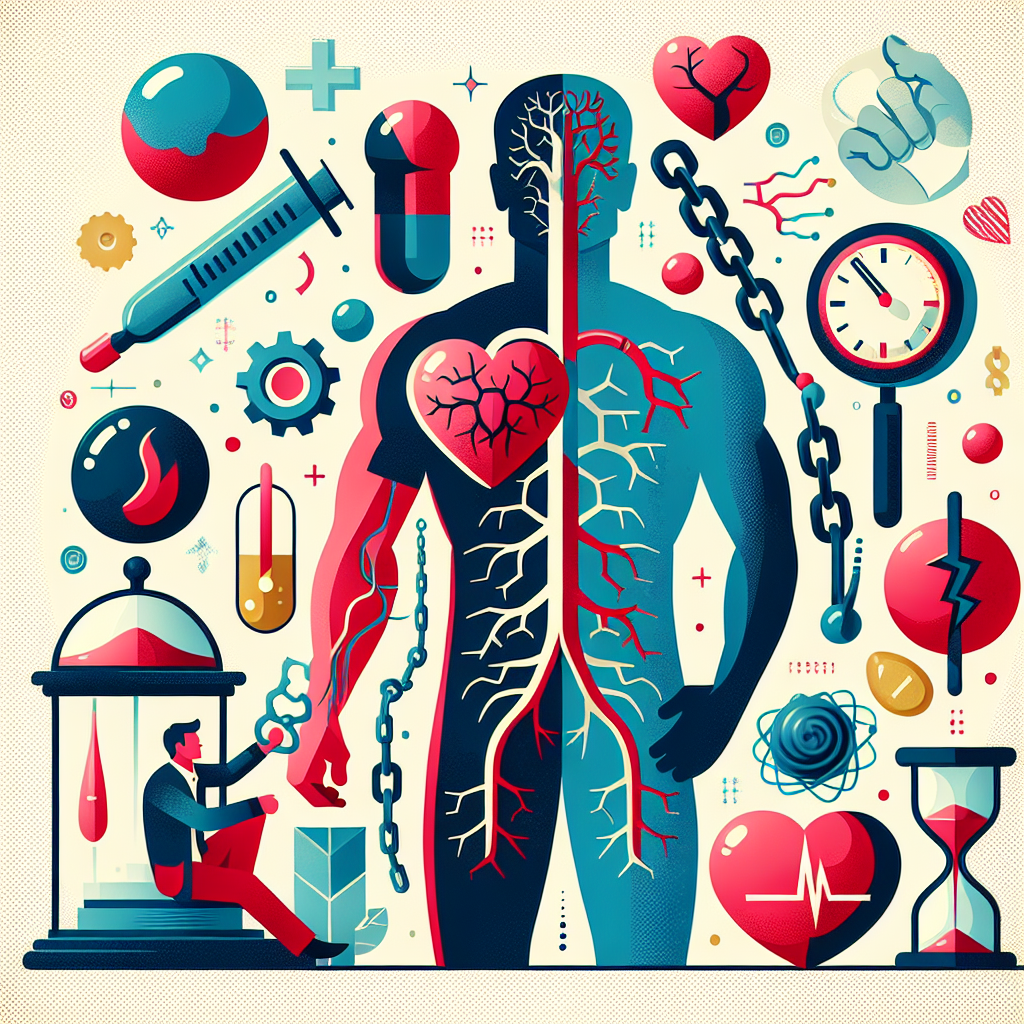
Unveiling the Hidden Causes of Erectile Dysfunction in Young Men
Erectile dysfunction (ED) in younger men is becoming an increasingly prevalent issue, diverging from its traditional association with older men. While lifestyle factors and aging-related health conditions have long been considered primary causes, today’s reality shows that more men under 40 are experiencing this condition. It’s often dismissed as nothing more than stress or performance anxiety. However, emerging research indicates that erectile dysfunction in young, healthy men might be an early sign of underlying vascular dysfunction—a serious condition that warrants attention. Understanding the root causes of ED can lead to better health outcomes and a proactive approach to preventing serious cardiovascular diseases.
Rethinking the Traditional Perspective on ED
Historically, the common belief has been that erectile dysfunction in young men primarily stems from psychological issues. Stress, anxiety, and depression are frequently cited as contributing factors, with performance anxiety often blamed as the main culprit. The pressure to perform can create mental barriers that manifest as physical symptoms.
Yet, focusing solely on these psychological explanations can obscure more significant health concerns like vascular dysfunction. As Dr. John Smith, a renowned cardiologist, explains, “Ignoring the potential medical causes of ED, particularly vascular issues, can lead to missed opportunities for early intervention.” By acknowledging these medical possibilities, healthcare professionals can create pathways to better diagnosis and treatment.
Identifying Vascular Dysfunction as a Key Factor
Recent studies suggest that erectile dysfunction could signal early cardiovascular issues, especially in young men. Vascular dysfunction, marked by the impaired ability of blood vessels to circulate blood efficiently, plays a crucial role. Erections rely heavily on adequate blood flow, so any disruption can lead to ED.
The connection between ED and vascular health involves the vascular endothelium—the inner lining of blood vessels. When endothelial dysfunction occurs, it can lead to narrowing and hardening of blood vessels, obstructing blood flow not only to the penis but also to other vital organs like the heart. If left untreated, this can escalate to severe cardiovascular diseases, such as hypertension or stroke, highlighting the importance of early detection.
ED as a Critical Health Indicator
For young men experiencing erectile dysfunction, this condition could serve as a crucial signal to assess cardiovascular health rather than attributing it solely to psychological stress. Seeking professional medical advice can reveal early signs of vascular dysfunction.
Early diagnosis can significantly curb the progression of endothelial damage. Studies show that 54% of men with ED also face significant risks of cardiovascular disease, emphasizing the urgency of early intervention. Routine evaluations and cardiovascular screenings should be essential components of a young man’s healthcare regimen.
Embracing a Holistic Diagnostic Approach
Healthcare providers are encouraged to adopt a holistic approach when dealing with ED in younger men. Evaluations should encompass not only psychological factors but also cardiovascular risks, ensuring appropriate treatment options ranging from lifestyle changes to medical interventions.
Lifestyle modifications such as a healthy diet and regular exercise are crucial. Avoiding smoking and excessive alcohol consumption can also bolster vascular health and reduce the risk of ED linked to vascular dysfunction.
Monitoring blood pressure, cholesterol levels, and weight—all of which directly affect vascular health—is vital. Regular health checkups can effectively manage these risks, offering tailored interventions when necessary.
The Long-Term Benefits of Addressing ED
Recognizing erectile dysfunction as a potential symptom of broader health issues empowers young men to take proactive steps to manage their health. Addressing vascular dysfunction not only alleviates ED symptoms but also reduces the risk of severe cardiovascular events in the future. Encouraging open discussions and dispelling the stigma associated with erectile dysfunction is vital. As Dr. Lisa Martin, an expert in sexual health, notes, “Empowering men to seek help without the fear of embarrassment is essential in prioritizing their health.”
Conclusion: A Call to Action for Better Health
While erectile dysfunction in young men is frequently misinterpreted as merely a psychological issue, acknowledging its potential link to vascular dysfunction dramatically shifts the narrative. Recognizing all possible underlying causes allows men to engage in responsible health practices that ensure both immediate and long-term well-being. Viewing ED as a potential harbinger of vascular issues, rather than simply a psychological barrier, opens doors to prompt and effective treatment. Let this be a call to action—prioritizing cardiovascular health is crucial. Taking essential steps can lead to healthier, fuller lives with renewed confidence and well-being.
