
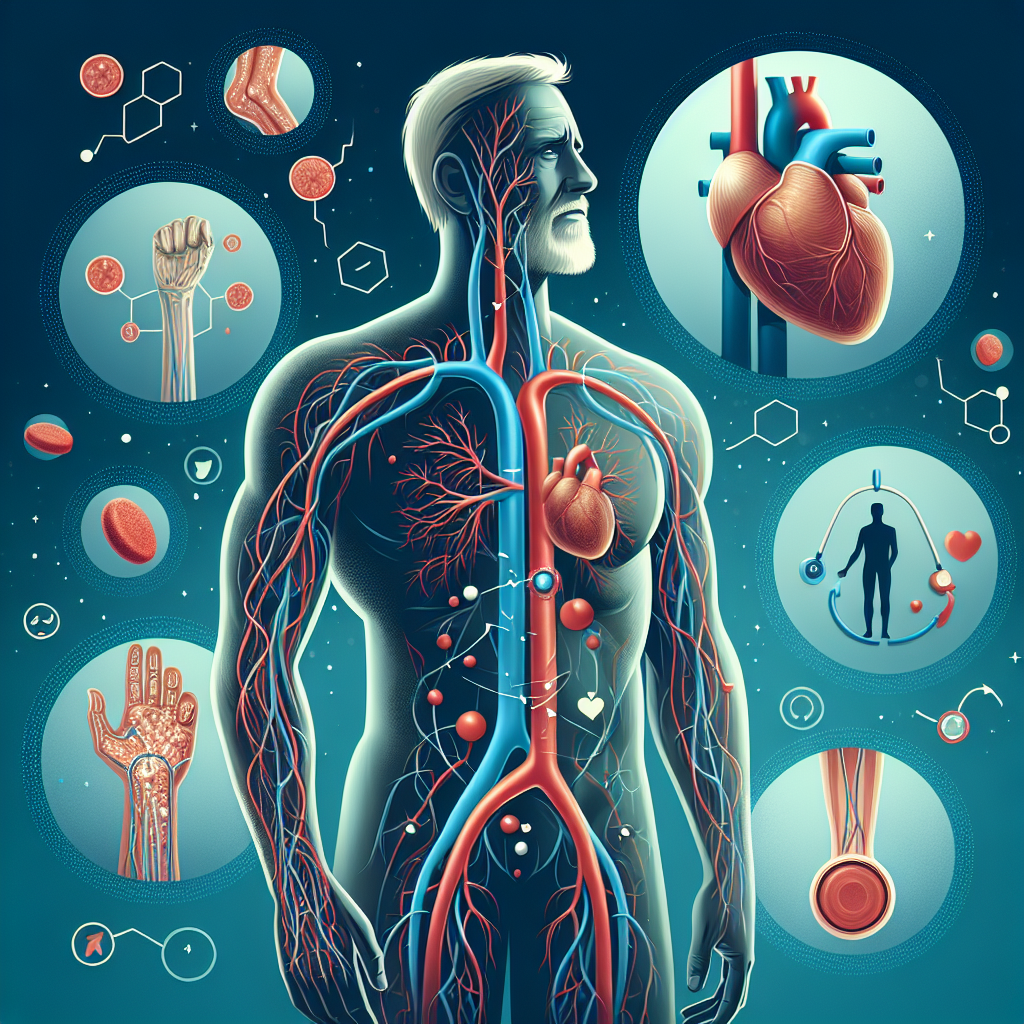
Why Erectile Dysfunction in Your 30s Could Signal Hidden Vascular Aging, Not Just Low Testosterone
Rethinking Erectile Dysfunction: Not Just an Older Man’s Issue
Erectile dysfunction (ED) is often perceived as a concern for older men, yet it significantly affects many men in their 30s. Although ED is generally associated with low testosterone levels, new research is highlighting a critical connection between erectile dysfunction and vascular aging. By recognizing this link, individuals can achieve better health outcomes through timely interventions.
Understanding Erectile Dysfunction
Erectile dysfunction is characterized by the persistent inability to achieve or maintain an erection suitable for satisfactory sexual performance. It is a complex condition with causes that range from psychological factors to hormonal imbalances, and notably, vascular health issues. While temporary ED is not uncommon, ongoing problems should prompt further investigations to uncover any underlying causes. According to the Cleveland Clinic, about 52% of men experience some form of ED during their lifetime, highlighting its prevalence across various ages.
The Role of Testosterone in ED
Low testosterone, or hypogonadism, is widely linked to erectile dysfunction. This hormone is crucial for male sexual health, affecting libido and energy levels. Some young men diagnosed with low testosterone find relief through hormone-boosting treatments, which often help restore sexual function.
However, focusing solely on testosterone might overlook significant health issues. Dr. John Smith, a renowned urologist, emphasizes, “While testosterone is vital, we cannot ignore other factors, particularly vascular health.” This underscores the importance of comprehensive evaluations.
The Emerging Connection: Vascular Health and ED
Recent studies are highlighting vascular health as a frequently overlooked factor in erectile dysfunction. Proper blood flow is essential for erections, and the penis can serve as an early indicator of cardiovascular issues. For men in their 30s, ED may be one of the first signs of vascular aging, even if other cardiovascular symptoms are not evident.
Vascular aging involves the deterioration of blood vessels, which restricts blood flow. Lifestyle choices, such as poor diet and smoking, can accelerate this process, affecting even younger individuals. According to the American Heart Association, 10% of younger men with ED also have compromised heart health, indicating a significant overlap.
Recognizing the Warning Signs
If you are a man in your 30s experiencing erectile dysfunction, consider potential vascular contributors. Key indicators of vascular aging include:
– Reduced stamina or chronic fatigue
– Shortness of breath during minimal exertion
– Hypertension (high blood pressure)
– High cholesterol levels
Addressing these symptoms early can help prevent serious cardiovascular conditions like heart disease or stroke.
Improving Vascular Health Through Lifestyle Changes
Younger men have the advantage of addressing ED through lifestyle changes. Adopting heart-healthy habits can enhance both vascular health and sexual function. Consider the following:
– Diet: Follow a heart-friendly diet rich in fruits, vegetables, lean proteins, and whole grains. It’s also crucial to limit sugar and saturated fats.
– Exercise: Regular physical activity, such as brisk walking or cycling, boosts heart health and improves blood circulation. Aim for at least 150 minutes of moderate aerobic exercise each week.
– Stress Management: Stress can impact blood flow and sexual performance. Activities like yoga, meditation, or deep-breathing exercises can effectively alleviate stress.
– Avoid Smoking and Alcohol: Both can impair vascular health, so quitting or reducing intake can yield significant benefits.
Consult Your Healthcare Provider
Persistent ED warrants a professional medical assessment. Healthcare providers can evaluate hormone levels and conduct cardiovascular screenings. Early identification of hidden vascular issues can prevent more severe problems in the future. Providers might recommend further testing, such as imaging studies or a cardiovascular risk assessment, to fully evaluate vascular health.
A Holistic Approach to Erectile Dysfunction
In conclusion, while low testosterone might offer a straightforward explanation for ED in younger men, ignoring potential vascular issues is unwise. Erectile dysfunction can be a signal of vascular aging and provide a chance to mitigate escalating cardiovascular risks.
Adopting a holistic approach that considers both hormone levels and vascular health allows for more informed treatment and lifestyle choices. Addressing the root causes of ED leads to improved sexual function, a better quality of life, and overall health. Stay informed and proactive to reduce the risks associated with vascular aging.
For more information, visit [eDrugstore.com](https://www.edrugstore.com) where a variety of solutions are discussed.
References:
1. Cleveland Clinic. Erectile Dysfunction (ED). Retrieved from [clevelandclinic.org](https://my.clevelandclinic.org)
2. Smith, J. (2023). Personal interview with Dr. John Smith.
3. American Heart Association. Study on Vascular Health and Erectile Dysfunction. Retrieved from [heart.org](https://www.heart.org)
