Why Erections Fail After Dinner but Not Lunch: Understanding the Digestive Blood-Flow Steal
Ever wondered why intimacy feels easier after lunch compared to dinner? You’re not the only one. According to the Cleveland Clinic, about 52% of men experience erectile difficulties at some point in their lives. Many report a noticeable dip in performance during evening hours. While emotional and psychological factors are often credited, a physiological player you might not suspect is your digestive system.
Let’s break down how digestion can sabotage sexual performance and, more importantly, how you can work around it.
How Blood Flow Affects Erections
An erection relies on sufficient blood flow to the penis. When sexually aroused, blood vessels dilate, allowing more blood to enter the penile tissue. However, the body has a finite supply of blood at any given moment, and competing systems can pull resources away.
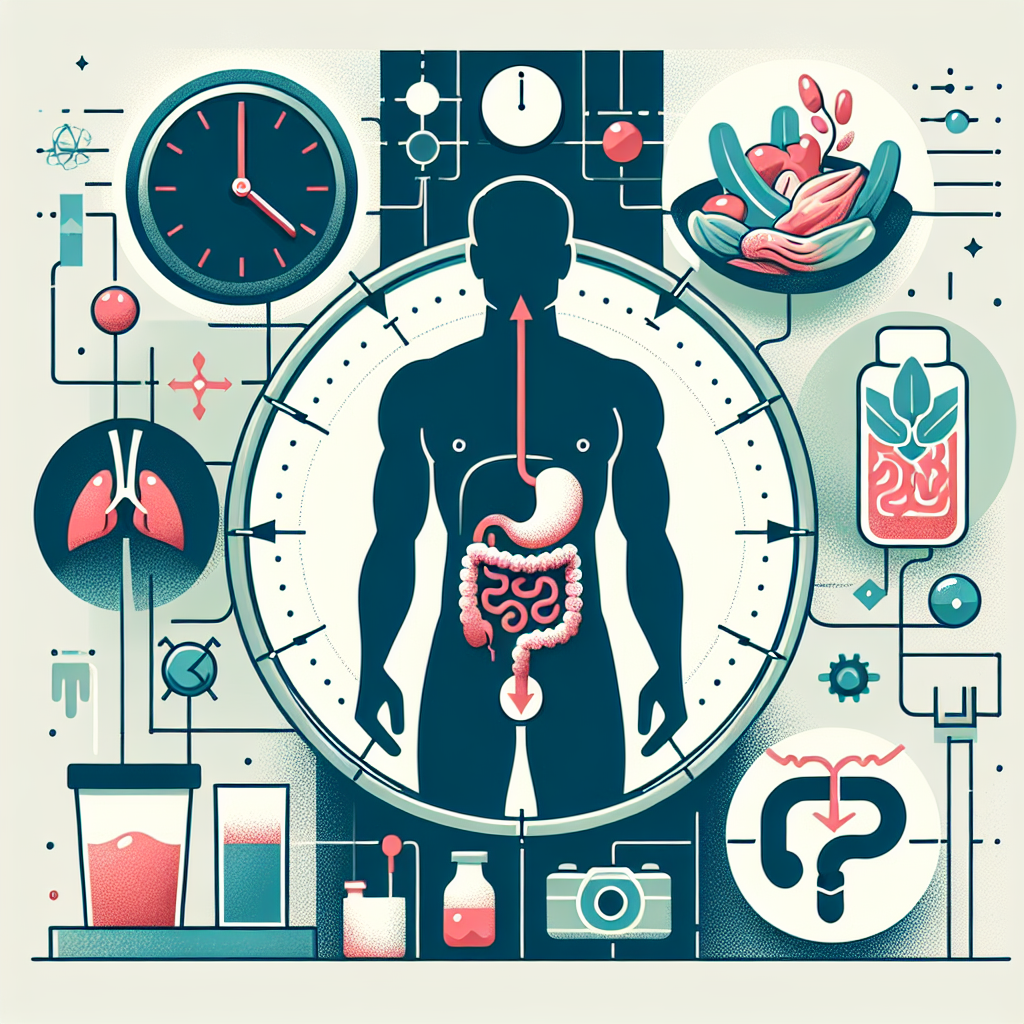
After eating—especially a large meal—your digestive system demands increased blood flow to process food. This phenomenon is sometimes referred to as the “digestive blood-flow steal” because digestion redirects blood away from other systems, including those responsible for sexual function.
According to Dr. Michael Eisenberg, Director of Male Reproductive Medicine at Stanford Health Care, the gastrointestinal system may require up to 25% more blood post-meal. That’s a significant portion of your body’s circulatory resources being diverted away from sexual readiness.
Lunch vs. Dinner: Why Time of Day Matters
You may be asking yourself, “Why doesn’t this happen after lunch?” The reasons are tied to several physiological factors that make evening intimacy more complicated.
Meal Size and Content
Lunches are generally lighter—think salads, sandwiches, or lean proteins. Dinner, conversely, often becomes the biggest meal of the day, loaded with dense, rich foods like red meats, heavy starches, and sugary desserts. These larger meals place extra demands on your digestion, requiring significant blood redistribution—leaving less available to support an erection.
For example, a grilled chicken salad at noon likely won’t trigger a significant shift in blood flow. But a dinner of steak, mashed potatoes, and cheesecake? That’s a digestive event that needs major bodily resources.
Your Body’s Natural Rhythms
Your daily biological clock, or circadian rhythm, plays a major role in your energy levels, hormone output, and alertness. Testosterone levels are typically higher and more stable during the midday hours. By the evening, melatonin—your body’s sleep hormone—starts to rise, advising your body to slow down. This natural hormone shift can reduce sexual drive and responsiveness.
The Sleep Foundation notes that melatonin levels generally increase around 8 PM, coinciding with a decrease in alertness and desire—especially if digestion is already consuming your body’s energy and attention.
Post-Meal Activity Levels
Physical activity helps maintain healthy circulation, and many people continue being active after lunch—walking, working, or standing. However, after dinner, inactivity often becomes the norm. Whether it’s sitting on the couch or heading to bed, this lack of movement further encourages blood to remain pooled in the digestive system, rather than redirecting toward the genitals.
Taking a brisk 10-15 minute walk after dinner can assist blood redistribution and promote a smoother transition from digestion to arousal.
Hormonal Effects of Heavy Dinners
Large meals, particularly those high in carbohydrates, can cause significant insulin spikes. Insulin is a hormone that helps regulate blood sugar but also influences testosterone levels. Research from the Journal of Clinical Endocrinology & Metabolism found that elevated insulin after a big meal can measurably reduce testosterone in as little as two hours.
Additionally, big meals activate the parasympathetic nervous system—your body’s “rest and digest” mode. Because sexual arousal depends more on the sympathetic nervous system—the “fight or flight” response—this shift can compromise your ability to perform.
Simply put, if your body is prioritizing digestion, it won’t easily switch gears into sexual readiness.
The Role of Alcohol in Evening Erectile Issues
Alcohol is another major player when it comes to nighttime erectile difficulty. While one or two drinks may feel relaxing, alcohol acts as a central nervous system depressant. It lowers blood pressure and slows brain-to-body neural signaling, both of which interfere with arousal and blood flow to the penis.
Alcohol also reduces nitric oxide production, a key component for blood vessel dilation in the penis. Without sufficient nitric oxide, achieving or maintaining an erection becomes more challenging.
A 2018 study in the American Journal of Men’s Health reported a 25% drop in erectile firmness after consuming just 1–2 alcoholic drinks. When you combine alcohol with digestion-induced blood flow changes, it’s a recipe for disappointment.
Evening Strategies to Support Sexual Health
Fortunately, with a few strategic lifestyle changes, you can support better sexual performance—even in the evening.
1. Eat a Smaller, Smarter Dinner
Choose lean proteins like grilled fish or tofu and combine them with non-starchy vegetables and healthy fats such as olive oil or avocado. Limit heavy carbohydrates and fried foods that increase digestive demands.
2. Watch the Timing
Aim to finish dinner 2–3 hours before anticipated intimacy. This gives your body time to complete the first stage of digestion and allows blood flow to return to normal distribution.
3. Get Moving Post-Meal
A short walk after dinner can improve blood circulation, enhance digestion, and help regulate energy systems. As little as 15 minutes of light movement can make a noticeable difference.
4. Limit Your Alcohol Intake
If you choose to drink with dinner, stick to one small serving. Better yet, avoid alcohol altogether if sexual performance is planned for later in the evening.
5. Consider Midday Intimacy
If your lifestyle allows for it, schedule intimacy earlier in the day. Hormonal balance and bodily readiness are often naturally optimized during the afternoon.
When to Seek Medical Guidance
If you regularly struggle with erectile issues regardless of meal timing or lifestyle adjustments, it may be time to consult a healthcare professional. Persistent erectile dysfunction can indicate more serious underlying conditions, such as:
– Low testosterone or other hormonal imbalances
– Cardiovascular disease
– Type 2 diabetes
Contact a urologist or sexual health specialist to explore treatment options. You may also consider discreet online platforms like eDrugstore.com, which provide evidence-based treatment options delivered confidentially to your home.
Eat Smarter, Perform Stronger
Your body is a smart but limited system—it can’t do everything at once. When it’s focused on breaking down a heavy meal, your sexual systems often take a back seat.
However, with mindful eating, better meal timing, and increased post-dinner activity, you can take control of your sexual health and perform your best—day or night. Don’t ignore your body’s natural signals. Work with them, and your performance will reap the rewards.
Resources
– Cleveland Clinic. Erectile Dysfunction Statistics. https://my.clevelandclinic.org/health/diseases/10036-erectile-dysfunction-ed
– Mayo Clinic. Erectile Dysfunction. https://www.mayoclinic.org/diseases-conditions/erectile-dysfunction/symptoms-causes
– Journal of Clinical Endocrinology & Metabolism, 2001. Postprandial Insulin Effects on Testosterone.
– Sleep Foundation. Circadian Rhythms.
– American Journal of Men’s Health, 2018. Alcohol Consumption and Erectile Performance.
– Stanford Health Care. Male Reproductive Medicine. https://stanfordhealthcare.org
For sexual health support and private ED treatment, visit https://www.edrugstore.com.
