
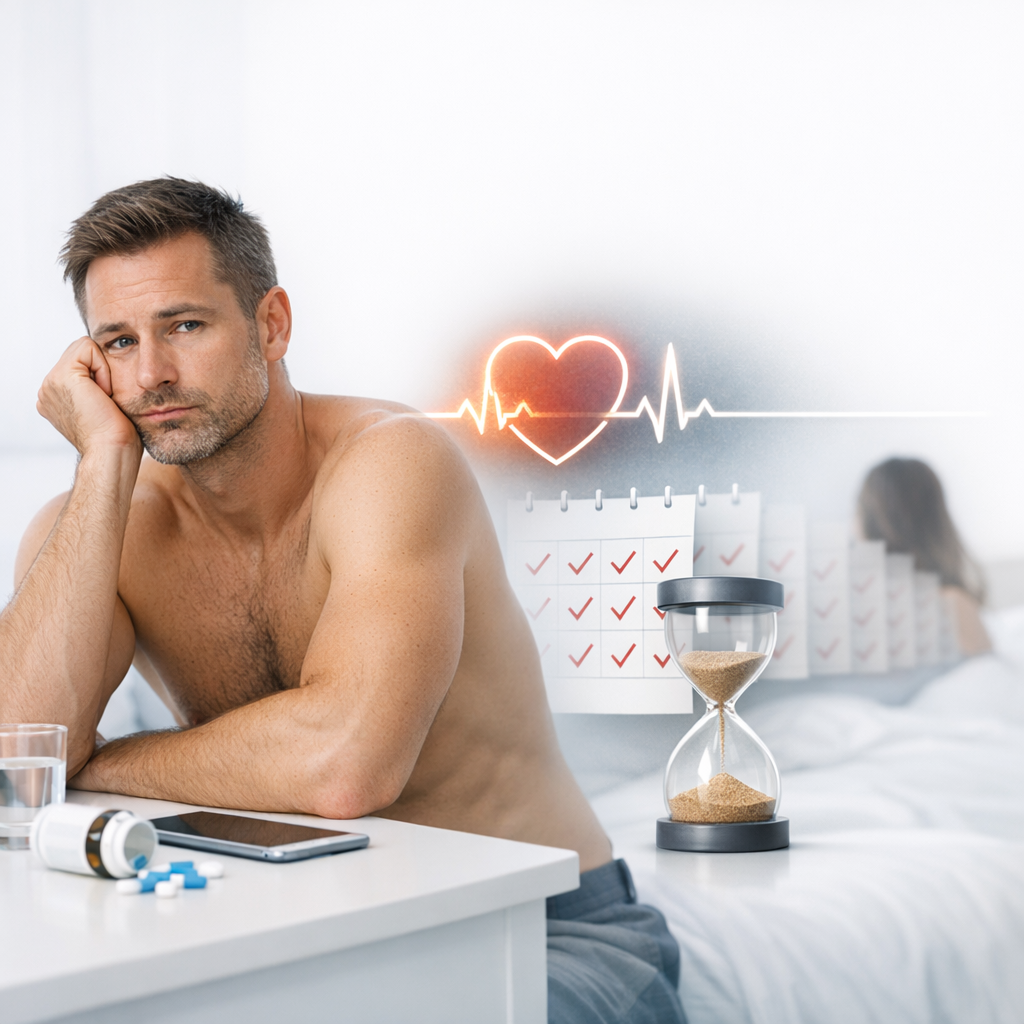
Meta title, Why Interest Drops When Everything Feels Predictable
Meta description, Learn why interest drops when everything feels predictable, including the role of novelty, dopamine, stress, hormones, relationship routines, and evidence based ways to rebuild desire and engagement.
Why Interest Drops When Everything Feels Predictable
At first, a new relationship, goal, job, or routine can feel exciting. You feel curious. You pay attention. You want more. Then, over time, the same things that once felt energizing may start to feel flat.
If you have wondered why interest drops when everything feels predictable, you are not alone. This is a common human experience, and it is not always a sign that something is wrong. The brain is built to notice change, respond to novelty, and conserve energy when life feels familiar.
This topic matters because predictability can affect motivation, sexual desire, emotional connection, and mental health. In relationships, it may show up as lower attraction, less excitement, or reduced intimacy. In daily life, it may feel like boredom, low drive, or a lack of pleasure.
The good news is that interest can often be rebuilt. Understanding the biology and psychology behind predictable routines can help you make healthier choices, improve connection, and know when to speak with a licensed healthcare provider.
The Brain Responds Strongly To Novelty
One major reason interest drops when everything feels predictable is the way the reward system works. The brain pays close attention to new information, unexpected rewards, and situations that feel meaningful or uncertain.
Dopamine is an important brain chemical involved in motivation, reward, learning, and anticipation. It does not simply create pleasure. It also helps the brain decide what is worth pursuing. Cleveland Clinic notes that dopamine plays a key role in motivation, attention, mood, and reward based behavior. Reference 1.
When something is new, the brain often reacts with more energy. This can happen in a new romance, a new workout plan, a new hobby, or a new sexual experience. When the same experience happens over and over without change, the brain may respond less strongly. Researchers studying reward learning have found that dopamine activity is closely tied to prediction and surprise. Reference 2.
In simple terms, the brain may think, I already know what happens next. As a result, attention fades and excitement drops.
Predictability Is Not Always Bad
Predictability can be healthy. Stable routines help people sleep better, manage stress, take medications on time, and maintain strong relationships. Children and adults often feel safer when life has some structure.
The problem happens when predictability turns into emotional numbness, boredom, or disconnection. Too much sameness can reduce curiosity and make enjoyable activities feel automatic.
Healthy predictability may look like this.
-
You feel safe and supported.
-
You have routines that protect your health.
-
You know what to expect, but still feel engaged.
-
You can relax without feeling trapped.
Unhealthy predictability may look like this.
-
You feel emotionally checked out.
-
You avoid intimacy or connection.
-
You feel bored most of the time.
-
You stop making plans or trying new things.
-
You feel guilty because you cannot force interest.
How Predictability Can Affect Sexual Desire
Sexual desire is influenced by the brain, hormones, emotions, physical health, relationship quality, and stress levels. It is normal for desire to rise and fall across life. Mayo Clinic notes that low sex drive can be related to medical conditions, medications, hormone changes, fatigue, stress, and relationship issues. Reference 3.
When sex becomes highly predictable, some people notice less arousal or less motivation to initiate intimacy. This does not always mean love is gone. It may mean the sexual pattern has become too routine for the brain to feel curious or engaged.
Common signs include.
-
Less interest in initiating sex.
-
Feeling mentally distracted during intimacy.
-
Going through the motions instead of feeling present.
-
Lower excitement even when the relationship is stable.
-
Avoiding physical closeness because it feels expected.
For many couples, emotional safety and novelty both matter. Safety helps people feel comfortable. Novelty helps keep desire alive.
The Role Of Stress, Depression, And Burnout
Sometimes interest drops because life feels predictable. Other times, predictability is only part of the picture. Stress, depression, anxiety, and burnout can also reduce motivation and pleasure.
Depression can cause loss of interest or pleasure in activities that used to feel enjoyable. This symptom is called anhedonia. The National Institute of Mental Health lists loss of interest, fatigue, sleep changes, appetite changes, and feelings of hopelessness as common symptoms of depression. Reference 4.
Stress can also affect desire and energy. When the body is under chronic stress, it may prioritize survival over curiosity, play, sex, and creativity. High stress can disrupt sleep, raise muscle tension, and make the nervous system feel stuck in alert mode.
Burnout may feel like.
-
Low motivation.
-
Emotional exhaustion.
-
Irritability.
-
Reduced performance at work or home.
-
Less interest in sex, social plans, or hobbies.
If interest drops in many areas of life, not just one relationship or routine, it may be worth screening for depression, anxiety, sleep problems, or other health concerns.
Hormones, Sleep, And Physical Health Also Matter
Interest and desire are not just mental. The body plays a major role.
Low testosterone in men can contribute to reduced sexual desire, fatigue, low mood, and erectile concerns. Mayo Clinic explains that testosterone levels can decline with age, but symptoms should be evaluated carefully because many conditions can cause similar issues. Reference 5.
In women, sexual desire can change during pregnancy, after childbirth, during perimenopause, after menopause, or while using certain medications. Estrogen changes may affect vaginal comfort, arousal, and sexual satisfaction. Pain with sex can also lower desire over time.
Other health factors that may reduce interest include.
-
Poor sleep or sleep apnea.
-
Thyroid disorders.
-
Diabetes.
-
Heart disease.
-
Obesity.
-
Chronic pain.
-
Alcohol or substance use.
-
Medication side effects, including some antidepressants and blood pressure medications.
The CDC reports that regular physical activity can improve sleep, brain health, heart health, and mood. Reference 6. These benefits can indirectly support motivation, energy, and sexual wellness.
Why Long Term Relationships Can Feel Less Exciting
Long term relationships often move from intense novelty to stable familiarity. This is normal. Early romantic attraction may involve strong reward system activity, uncertainty, and frequent discovery. Over time, partners learn each others habits, preferences, and reactions.
This can be comforting, but it can also reduce mystery. If every evening, conversation, date, and sexual experience follows the same pattern, the relationship may feel more like management than connection.
Research has suggested that couples who take part in new and engaging activities together may experience improvements in relationship satisfaction. Reference 7. This does not mean couples need constant excitement. It means shared novelty can help partners see each other in fresh ways.
Examples include.
-
Trying a new restaurant or recipe.
-
Taking a class together.
-
Changing the setting for date night.
-
Having a deeper conversation without phones.
-
Planning a short trip.
-
Exploring non pressured physical affection.
When Low Interest May Need Medical Attention
It is normal to have periods of lower desire or motivation. But some signs suggest a medical or mental health evaluation may be helpful.
Consider speaking with a licensed healthcare provider if you notice.
-
Loss of interest lasting more than two weeks.
-
Low mood, hopelessness, or frequent crying.
-
Major fatigue despite enough sleep.
-
Loss of sexual desire that causes distress.
-
Erectile dysfunction or pain during sex.
-
Sudden changes in mood, libido, weight, or sleep.
-
Symptoms after starting a new medication.
-
Thoughts of self harm or suicide.
If you have thoughts of self harm, seek urgent help right away. In the United States, you can call or text 988 for the Suicide and Crisis Lifeline. Reference 8.
Treatment And Solutions When Everything Feels Too Predictable
The right solution depends on the cause. Because interest drops when everything feels predictable for many reasons, treatment should look at both lifestyle and health.
Helpful strategies may include.
-
Add intentional novelty. Choose small changes that feel safe but fresh, such as a new activity, route, playlist, workout, or date idea.
-
Reduce autopilot habits. Put phones away during meals, change routines, and ask better questions.
-
Improve sleep. Adults generally need at least 7 hours of sleep per night for best health, according to CDC guidance. Reference 9.
-
Exercise regularly. Physical activity supports mood, blood flow, energy, and metabolic health. Reference 6.
-
Manage stress. Breathing exercises, therapy, mindfulness, time outdoors, and social support can help regulate the nervous system.
-
Talk openly with your partner. Use calm language. Focus on curiosity instead of blame.
-
Seek therapy. Individual therapy or couples therapy can help with communication, resentment, anxiety, depression, trauma, and desire differences.
-
Review medications. A clinician can help determine whether a medication may be affecting libido or mood. Do not stop prescribed medication without medical guidance.
-
Check hormones and labs when appropriate. Testing may include testosterone, thyroid function, blood sugar, lipids, or other markers based on symptoms.
For some people, medication may be appropriate. Men with erectile dysfunction may be prescribed phosphodiesterase type 5 inhibitors, such as sildenafil or tadalafil, if safe for their health. These medications can cause headache, flushing, nasal congestion, indigestion, or dizziness, and they should not be used with nitrate medications because blood pressure can drop dangerously. The FDA provides safety information for approved prescription medications. Reference 10.
For certain premenopausal women with acquired, generalized hypoactive sexual desire disorder, FDA approved options include flibanserin and bremelanotide. These are not right for everyone and can have side effects. Flibanserin may cause dizziness, sleepiness, nausea, fatigue, and low blood pressure, especially with alcohol or certain medications. Bremelanotide may cause nausea, flushing, headache, and temporary increases in blood pressure. Reference 10.
Telemedicine can be a convenient way to discuss low desire, erectile concerns, mood changes, hormone symptoms, or medication side effects. A licensed clinician can review your history, order labs when appropriate, discuss safe treatment options, and refer you for in person care if needed.
FAQ
Why does interest drop when everything feels predictable.
Interest often drops because the brain responds more strongly to novelty, uncertainty, and meaningful change. When an experience becomes very familiar, the reward system may react less intensely. Stress, low mood, hormone changes, poor sleep, and relationship issues can also play a role.
Does losing interest mean I am no longer in love.
Not necessarily. Lower excitement can happen in healthy long term relationships. Love, safety, and commitment can remain strong even when desire or curiosity fades. If the change causes distress, honest communication and support from a therapist or healthcare provider may help.
Can boredom reduce sexual desire.
Yes. Sexual desire can decrease when intimacy feels automatic, pressured, or emotionally disconnected. Desire is also influenced by hormones, medications, stress, sleep, pain, and mental health. If low libido is ongoing or upsetting, it is worth discussing with a clinician.
How can couples make a predictable relationship feel exciting again.
Couples can rebuild interest by adding shared novelty, improving communication, reducing routine pressure, spending focused time together, and exploring non pressured affection. Couples therapy may help if resentment, conflict, or emotional distance is present.
When should I see a doctor for low interest or low libido.
See a healthcare provider if low interest lasts more than two weeks, affects many parts of life, causes distress, or comes with fatigue, low mood, erectile dysfunction, pain with sex, sleep problems, or major hormone symptoms. Sudden changes should also be evaluated.
Can telemedicine help with low desire or motivation.
Yes. Telemedicine can be useful for discussing symptoms, reviewing medications, screening for mental health concerns, ordering lab work when appropriate, and exploring treatment options. Some conditions still require in person exams or urgent care.
Conclusion
Understanding why interest drops when everything feels predictable can help you respond with curiosity instead of shame. The brain naturally pays attention to novelty and may become less engaged when life, sex, or relationships feel too routine.
At the same time, low interest can also be linked to stress, depression, poor sleep, hormone changes, medication side effects, or medical conditions. If the change is persistent, sudden, or distressing, it is worth taking seriously.
Small changes can make a real difference. Add novelty, protect sleep, move your body, communicate openly, and seek professional support when needed. If low desire, low mood, or loss of motivation is affecting your quality of life, consider speaking with a licensed healthcare provider to better understand your options.
References
1. Cleveland Clinic, Dopamine, www.clevelandclinic.org
2. PubMed, Dopamine and reward prediction error research, www.pubmed.ncbi.nlm.nih.gov
3. Mayo Clinic, Low sex drive in women, www.mayoclinic.org
4. National Institute of Mental Health, Depression, www.nimh.nih.gov
5. Mayo Clinic, Male hypogonadism and testosterone, www.mayoclinic.org
6. CDC, Benefits of physical activity, www.cdc.gov
7. PubMed, Shared novel and arousing activities and relationship quality research, www.pubmed.ncbi.nlm.nih.gov
8. 988 Suicide and Crisis Lifeline, www.988lifeline.org
9. CDC, Sleep and sleep duration guidance, www.cdc.gov
10. FDA, Prescription drug safety information and sexual health medication approvals, www.fda.gov
