
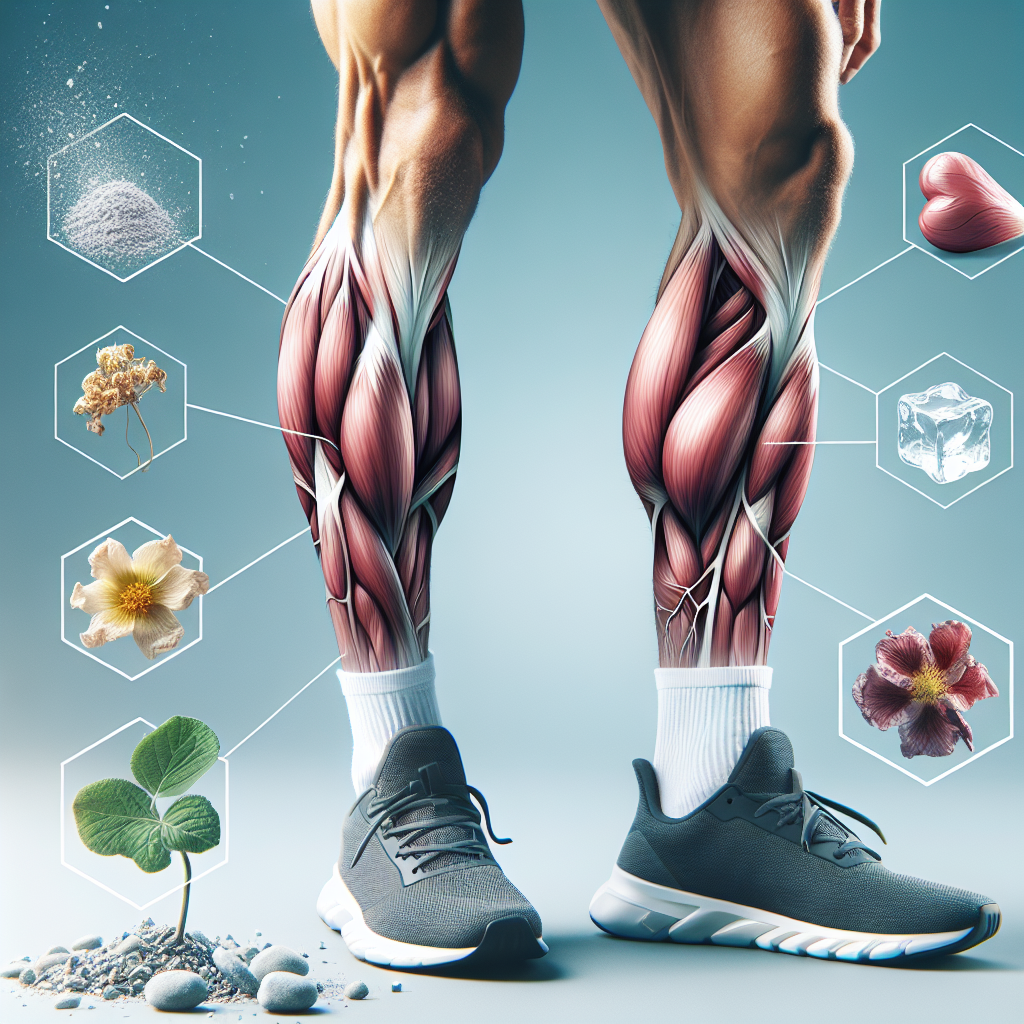
Why Overtraining Legs Can Reduce Bedroom Performance
Leg Day Gains—But at What Cost?
When it comes to intense leg workouts, most gym-goers agree—it’s often the toughest day of the week. Exercises like squats, deadlifts, and reverse lunges help build powerful quads and glutes. However, overtraining your legs could be silently affecting your sexual health and performance.
Surprised? While moderate leg training boosts testosterone and improves circulation—both essential for sexual function—too much of it can backfire. Without enough recovery, excessive lower-body workouts may lead to hormonal imbalance, constant fatigue, and a noticeable drop in libido.
Let’s dive into how pushing too hard on leg day could be hampering your performance in the bedroom—and what you can do to restore the balance between fitness and intimacy.
What Is Overtraining and Why Does It Matter?
Before we explore how leg training impacts intimacy, it’s important to understand overtraining syndrome (OTS). Overtraining happens when you exceed your body’s ability to recover. This could be from too many gym sessions, lifting too heavy, or not getting enough rest.
Your quadriceps, glutes, and hamstrings are among the largest muscle groups and require ample recovery. When these muscles are overworked, you may experience OTS symptoms like constant tiredness, poor sleep, low motivation, and reduced libido.
According to the National Academy of Sports Medicine, overtraining can weaken your immune system and disturb your sleep—both of which play crucial roles in your energy and mental health.
Dr. Brian St. Pierre, Director of Performance Nutrition at Precision Nutrition, puts it clearly: “True progress happens during recovery. Without rest, you’re just building fatigue.”
How Leg Workouts Impact Your Libido
Here’s where things get interesting. Leg exercises, when done moderately, trigger the release of testosterone and growth hormone. These hormones are not only essential for building muscle but also play a vital role in maintaining sexual health.
However, training legs without sufficient recovery can increase cortisol—the body’s main stress hormone. Elevated cortisol disrupts testosterone production, leading to lowered libido, fatigue, and poor sexual performance.
A study from the Journal of Clinical Endocrinology & Metabolism confirms that high cortisol levels are associated with lower sexual desire in men.
Endocrinologist Dr. Karen Boyle explains, “Chronic stress, whether psychological or physical, shifts the body into survival mode. That often means reduced reproductive hormone levels and lower sexual interest.”
The takeaway: Give your body proper time to rest between intense leg workouts—ideally 48 to 72 hours—to protect both your gains and your performance in the bedroom.
When You’re Too Tired for Intimacy
We’ve all been there. After a grueling leg day, your muscles feel sore, your legs barely function, and all you want is to lie down. That extreme fatigue usually lasts for a day or two, depending on how intense the workout was.
Now imagine feeling that way multiple times a week. Persistent fatigue from overtraining keeps the body in recovery mode and depletes your energy—not just for the gym but also for intimacy.
A study in the European Journal of Applied Physiology reported that chronic muscular fatigue leads to significantly reduced sexual motivation in men.
If walking up stairs seems daunting after multiple lower-body sessions, trying to be physically intimate may feel downright exhausting.
Hormones Out of Balance
Testosterone plays a central role in male sexual drive, function, and emotional balance. Moderate leg workouts are known to support testosterone production. But when workouts become too frequent or intense, cortisol creeps in to overpower testosterone.
Prolonged overtraining suppresses the hormonal pathway—known as the hypothalamic-pituitary-gonadal axis—that governs testosterone production. A study published in the Journal of Strength and Conditioning Research found testosterone levels could drop by up to 30% after ongoing overtraining.
This hormonal imbalance doesn’t just affect sex. It can lead to erectile dysfunction, emotional instability, lowered self-esteem, and decreased life satisfaction.
Physical Pain in the Bedroom
Let’s not forget the physical downsides. Overtraining legs increases your risk of knee pain, tight hips, and stiffness in the hamstrings or lower back. When your joints and muscles are sore, even comfortable movements become challenging—let alone dynamic ones.
This discomfort often extends into your romantic life. You may find certain positions painful or difficult to maintain, causing hesitation or avoidance. Over time, lingering discomfort can lead to withdrawal from intimacy altogether.
“Pain equals fear—and fear leads to avoidance,” explains Dr. Craig Liebenson, a renowned sports rehabilitation expert. “If physical movements cause pain, your brain starts protecting you from repeating them, even if it means losing connection and intimacy.”
Lack of Sleep, Lack of Desire
Deep, restorative sleep is critical for muscle repair, energy restoration, and hormonal balance—particularly testosterone regulation. Unfortunately, overtraining can interfere with your ability to get quality sleep.
When your nervous system stays in high-alert mode from constant intense workouts, it becomes difficult to unwind at night. You might fall asleep late, wake often, or feel drained no matter how long you sleep.
Research published in the Journal of Sleep concluded that even just one night of poor sleep can decrease testosterone levels by up to 15% in healthy young men. This not only affects your desire but also your energy, focus, and overall sexual function.
The Psychological Toll: Burnout and Sex Drive
Physical overtraining also wears down your mental health. When the body stays under high levels of physical stress, anxiety and emotional fatigue can follow. Couple that with the pressure to maintain a certain physique, and you’re dealing with full-blown burnout.
Sexual connection is as much about emotional presence as it is about physical readiness. But overtraining crowds your mind with exhaustion, stress, and low mood—leaving little room for romantic connection.
According to the American Psychological Association, ongoing physical stress significantly reduces sexual interest, emotional availability, and cognitive engagement—all vital components for intimacy.
So it’s not just muscle fatigue holding you back; it’s mental fatigue too.
How to Train Smart and Stay Balanced
So, should you eliminate leg workouts altogether? Absolutely not. Well-balanced leg training is essential for overall strength, body alignment, and yes—healthy sexual performance.
The secret to success? Smart programming and recovery. Here’s what to focus on:
– Train legs one to two times per week
– Leave at least 48 hours between intense leg sessions
– Add dynamic stretching, foam rolling, and mobility work to reduce soreness
– Get 7 to 9 hours of sleep nightly to support hormone recovery
– Lower daily stress with habits like meditation, slow walks, or unplugged weekends
– Pay attention to signs of burnout—low libido, mood swings, or continuous tiredness
Smart training isn’t about how much you do—it’s about how well you recover.
Final Thoughts: Restore Strength in Mind, Body, and Bedroom
Leg workouts are crucial for building a strong, resilient body. Yet, when pushed too hard, they can drain your energy, disrupt your hormones, and dampen your confidence—in and out of the bedroom.
The key isn’t quitting leg day, but doing less with better intention. Balance, recovery, and mindfulness in your workouts lead to better hormone health, improved intimacy, and stronger relationships.
Fitness shouldn’t rob you of joy—it should enhance every part of your life, from the weight room to the bedroom.
Resources and References
– National Academy of Sports Medicine. Overtraining Syndrome Explained. https://www.nasm.org
– Borges et al. (2012). Fatigue and sexual behavior. European Journal of Applied Physiology
– Kraemer, WJ et al. (2004). Hormonal responses to overtraining. Journal of Strength and Conditioning Research
– Leproult, R., & Van Cauter, E. (2011). Sleep loss results in a reduction in testosterone levels in men. JAMA
– American Psychological Association. Stress and sexual desire. https://www.apa.org
– eDrugstore. Men’s Sexual Health Resources. https://www.edrugstore.com/sexual-health
For more information or professional assistance, visit edrugstore.com for expert guidance, discreet solutions, and reliable support for men’s health.
