
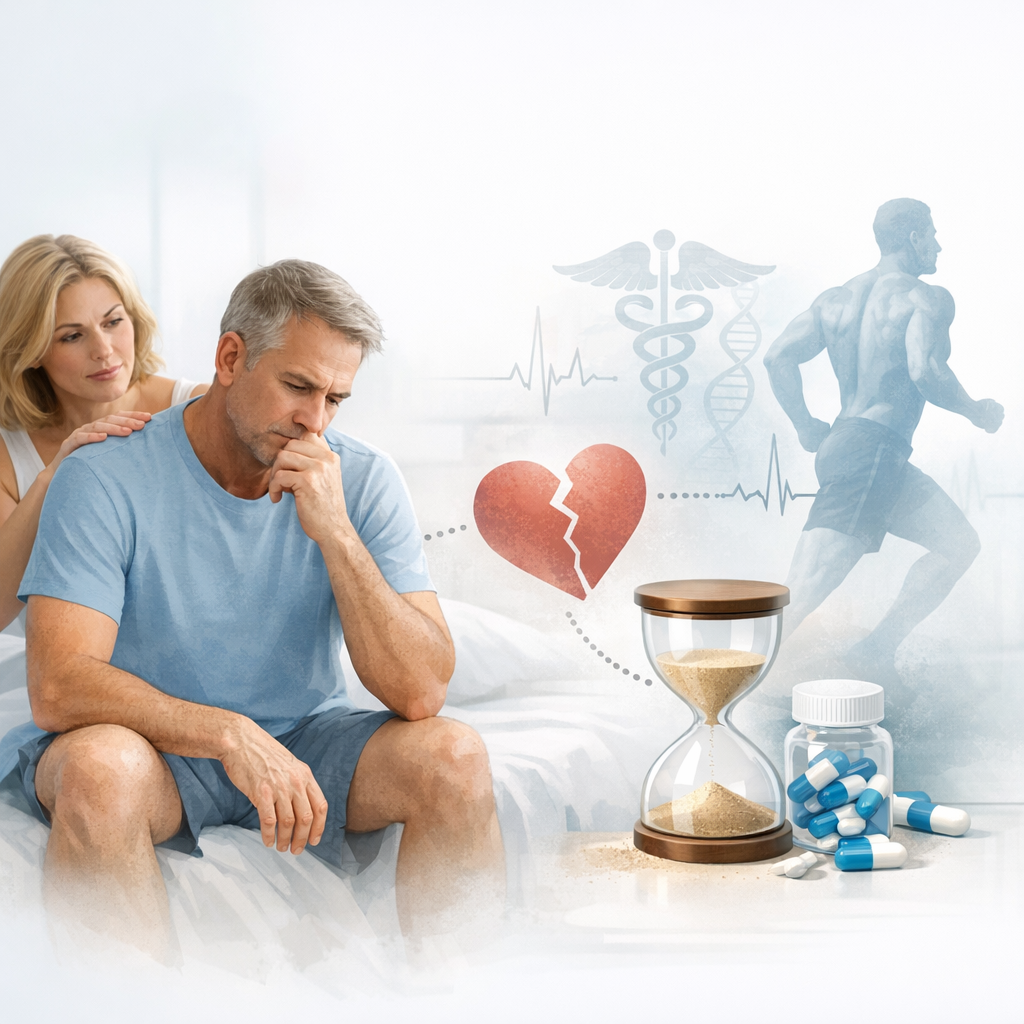
Meta title, Why Sexual Motivation Declines Before Physical Ability Changes
Meta description, Sexual motivation can drop before erections, lubrication, orgasm, or physical performance change. Learn why libido declines, what causes it, and when to seek treatment.
Why Sexual Motivation Declines Before Physical Ability Changes
Many people notice a confusing change in their sex life. Their body still works, but their interest in sex is lower than it used to be.
This can happen to men, women, and couples at almost any adult age. A person may still be able to get an erection, become lubricated, have an orgasm, or enjoy sex once it begins. The main change is that the desire to start sex is weaker.
This matters because sexual motivation is often one of the first signs that stress, hormones, sleep, medications, mood, or relationship factors are affecting overall health. In many cases, libido declines before physical sexual ability changes because desire is controlled by the brain, hormones, emotions, and daily energy levels, not only the sex organs.
This article explains why sexual motivation declines before physical ability changes, what symptoms to watch for, common causes, and evidence based treatment options.
Sexual Motivation Is Not The Same As Physical Sexual Function
Sexual motivation, also called libido or sexual desire, is the mental and emotional interest in sexual activity. Physical sexual function is the body ability to respond during sex.
These are connected, but they are not the same.
For example, a man may have normal erections but feel little interest in initiating sex. A woman may still become aroused and have orgasms but rarely think about sex or want to start it. This is one reason people may say, my body works, but I am just not in the mood.
Sexual response often includes several parts.
- Desire, wanting sex or being open to sexual activity
- Arousal, physical and mental excitement
- Genital response, such as erection or lubrication
- Orgasm, climax and release
- Satisfaction, emotional and physical pleasure after sex
Desire can weaken before the other stages because the brain is usually the first place where fatigue, stress, anxiety, hormone shifts, and medication effects show up.
Why The Brain Often Changes Before The Body
Sexual desire starts in the brain. Brain chemicals such as dopamine, serotonin, norepinephrine, and oxytocin help regulate motivation, reward, bonding, and pleasure. When these systems change, interest in sex may drop even when the body can still perform.
Dopamine is strongly linked with motivation and reward. If dopamine signaling is reduced by chronic stress, poor sleep, depression, or certain medications, sex may feel less interesting or less urgent. Serotonin can also affect desire. Higher serotonin activity, especially from some antidepressants, may reduce libido or delay orgasm in some people. Reference 1.
This helps explain why sexual motivation declines before physical ability changes. The body may still be capable, but the brain is not sending the same level of desire signals.
Common Symptoms Of Low Sexual Motivation
Low sexual motivation can look different from person to person. Some people notice a sudden change, while others notice a slow decline over months or years.
Common symptoms include.
- Less interest in starting sex
- Fewer sexual thoughts or fantasies
- Avoiding intimacy even when attracted to a partner
- Needing more effort to get mentally aroused
- Feeling indifferent about sex
- Enjoying sex once it starts, but rarely wanting to begin
- Feeling worried, guilty, or frustrated about lower desire
Low desire is not always a medical problem. Desire naturally changes with age, stress, relationship stage, parenting, work demands, health, and life transitions. It becomes more important to address when it causes distress, relationship strain, or a major change from your usual pattern.
Hormonal Changes Can Lower Desire Early
Hormones influence libido in both men and women. Testosterone is important for sexual desire in men and also plays a role in women. Estrogen, progesterone, thyroid hormones, cortisol, insulin, and prolactin can also affect sexual interest.
In men, testosterone levels tend to decline gradually with age. However, not every man with lower testosterone has symptoms, and not every libido change is caused by testosterone. Clinically low testosterone is diagnosed with both symptoms and confirmed low blood levels, usually measured in the morning. Reference 2.
In women, desire can shift during pregnancy, breastfeeding, perimenopause, menopause, and after surgical removal of the ovaries. Menopause can also cause vaginal dryness, pain with sex, and sleep problems, which may reduce sexual motivation over time. The Mayo Clinic notes that menopause related changes can affect sexual comfort and desire. Reference 3.
Thyroid disease can also affect libido. An underactive thyroid may cause fatigue, low mood, weight gain, and lower sexual interest. An overactive thyroid can cause anxiety, sleep problems, and changes in menstrual cycles, which may also affect desire.
Stress And Burnout Are Major Libido Blockers
One of the most common reasons sexual motivation declines before physical ability changes is chronic stress.
When the brain senses ongoing stress, it prioritizes survival, not pleasure. Cortisol and adrenaline increase alertness and help the body respond to pressure. Over time, this can reduce sexual interest, disrupt sleep, worsen mood, and lower energy.
Stress related libido changes are common in people who are balancing work, parenting, caregiving, financial pressure, relationship conflict, or chronic illness. The person may still be physically able to have sex, but sex may feel like one more demand instead of a source of connection.
Warning signs that stress is affecting libido include.
- Feeling tired but wired at night
- Low patience or irritability
- Less interest in hobbies and pleasure
- Trouble sleeping
- Feeling emotionally distant from a partner
- Using alcohol, food, or screens to unwind
Sleep Problems Can Reduce Sexual Motivation
Sleep is closely tied to sexual health. Poor sleep can lower energy, worsen mood, increase cravings, raise stress hormones, and affect testosterone production.
Research has linked sleep disorders, including obstructive sleep apnea, with sexual dysfunction and reduced quality of life. Reference 4. In men, untreated sleep apnea is also associated with erectile dysfunction. In women, poor sleep during perimenopause and menopause can reduce energy and desire.
If sexual motivation declines along with loud snoring, morning headaches, daytime sleepiness, or waking up gasping, it is worth asking a healthcare provider about sleep apnea screening.
Mental Health Often Affects Desire Before Performance
Depression, anxiety, trauma, and body image concerns can all lower libido. These conditions may reduce pleasure, confidence, emotional connection, and sexual thoughts.
Depression often causes loss of interest in activities that used to feel enjoyable. That can include sex. Anxiety can make it hard to relax into desire because the brain stays focused on worry, performance, rejection, pain, or body concerns.
According to the CDC, depression is common among adults and can affect sleep, energy, appetite, concentration, and daily functioning. Reference 5. Because sexual desire depends on these same systems, libido may decline early.
Past sexual trauma, painful sexual experiences, religious or cultural shame, and relationship safety concerns can also reduce sexual motivation. In these cases, therapy with a qualified mental health professional can be an important part of care.
Medications Can Lower Libido While The Body Still Works
Many medications can affect sexual motivation, arousal, or orgasm. Sometimes desire changes before any noticeable erection, lubrication, or orgasm problem appears.
Medications that may affect libido include.
- Selective serotonin reuptake inhibitors, also called SSRIs
- Some blood pressure medications
- Opioid pain medications
- Some hormonal birth control methods
- Antiandrogen medications
- Some medications for prostate conditions
- Certain seizure medications
- Some chemotherapy or cancer treatments
Do not stop a prescribed medication without medical guidance. A licensed healthcare provider may adjust the dose, switch medications, add a treatment, or check for other causes.
Relationship And Lifestyle Factors Matter
Sexual motivation is not only biological. Desire is also shaped by emotional safety, attraction, communication, novelty, and life stress.
Common relationship factors include.
- Unresolved conflict
- Feeling rejected or criticized
- Lack of emotional closeness
- Mismatched desire levels
- Fear of disappointing a partner
- Routine or lack of novelty
- Pain, discomfort, or past negative sexual experiences
Lifestyle factors can also play a role. Heavy alcohol use, smoking, sedentary habits, poor nutrition, and uncontrolled chronic conditions can reduce sexual health. The Cleveland Clinic notes that cardiovascular disease, diabetes, obesity, and other health conditions can contribute to sexual dysfunction. Reference 6.
One key point is that lifestyle changes may first affect motivation and energy before they affect physical mechanics. For example, a person may still perform physically but feel less driven because they are tired, inflamed, stressed, or unhappy with body image.
When Low Desire May Signal A Medical Condition
Sometimes low sexual motivation is an early sign of a medical issue. This is especially true when the change is new, persistent, or paired with other symptoms.
Possible medical causes include.
- Low testosterone
- Thyroid disease
- Depression or anxiety
- Diabetes
- Sleep apnea
- High blood pressure
- Heart disease
- Chronic pain
- Menopause related genitourinary syndrome
- Medication side effects
Erectile dysfunction affects about 30 million men in the United States, according to the NIH. Reference 7. While erectile dysfunction is a physical performance issue, changes in desire and erections can overlap. A man with low desire may later notice erection changes, especially if the underlying cause is vascular, hormonal, or psychological.
For women, sexual concerns are also common. Studies in PubMed have reported that sexual dysfunction affects a large percentage of women, with desire concerns among the most common complaints. Reference 8.
Treatment Options For Low Sexual Motivation
Treatment depends on the cause. Because sexual motivation declines before physical ability changes for many different reasons, a careful evaluation is important.
A healthcare provider may ask about.
- When the change started
- Stress, sleep, and mood
- Relationship satisfaction
- Medical history
- Current medications and supplements
- Alcohol, nicotine, and drug use
- Menstrual, menopause, or prostate symptoms
- Erection, lubrication, pain, or orgasm changes
Possible lab tests may include testosterone, thyroid stimulating hormone, blood sugar, A1C, cholesterol, complete blood count, and other tests based on symptoms.
Common treatment approaches include.
- Improving sleep, especially if sleep apnea is suspected
- Reducing alcohol and stopping nicotine
- Regular physical activity, including strength training and aerobic exercise
- Improving nutrition and managing weight when appropriate
- Treating depression, anxiety, or trauma
- Couples counseling or sex therapy
- Reviewing medications that may reduce libido
- Treating pain with sex, vaginal dryness, or pelvic floor problems
- Managing diabetes, high blood pressure, or heart disease
Telemedicine can be helpful for many people because it offers a private way to discuss sexual health, review symptoms, order appropriate labs, and consider treatment options. However, some symptoms still require in person care, such as pelvic pain, genital lesions, chest pain, severe depression, or sudden major changes in sexual function.
Medications And Medical Treatments
Medications may help in certain cases, but they should match the diagnosis.
For men with erectile dysfunction, phosphodiesterase type 5 inhibitors, such as sildenafil or tadalafil, can improve erections. These medications help blood flow but do not directly create sexual desire. Common side effects include headache, flushing, nasal congestion, indigestion, and dizziness. They should not be used with nitrate medications because the combination can cause a dangerous drop in blood pressure. Reference 9.
For men with confirmed low testosterone and symptoms, testosterone therapy may be considered. It is not recommended for men with normal testosterone levels simply to boost libido. Possible side effects include acne, fluid retention, increased red blood cell count, infertility, worsening sleep apnea, and prostate monitoring concerns. The FDA advises that testosterone products should be used only for men with low testosterone due to certain medical conditions and with appropriate medical supervision. Reference 10.
For premenopausal women with acquired, generalized hypoactive sexual desire disorder, the FDA has approved flibanserin and bremelanotide. These medications are not for everyone. Flibanserin can cause dizziness, sleepiness, nausea, fatigue, and low blood pressure, especially with alcohol or certain medications. Bremelanotide can cause nausea, flushing, headache, and temporary increases in blood pressure. Reference 11.
For women with menopause related vaginal dryness or pain, vaginal estrogen, vaginal DHEA, moisturizers, lubricants, or other treatments may improve comfort. When sex becomes comfortable again, desire may improve indirectly.
What You Can Do At Home
Self care will not fix every cause of low libido, but it can make a meaningful difference for many people.
Helpful steps include.
- Sleep 7 to 9 hours when possible
- Exercise most days of the week
- Limit alcohol, especially before sex
- Talk openly with your partner without blame
- Schedule relaxed intimacy without pressure for intercourse
- Use lubricants if dryness or friction is present
- Reduce screen time before bed
- Practice stress reduction, such as breathing, walking, or mindfulness
- Seek therapy if anxiety, depression, trauma, or conflict is present
It also helps to remove pressure. Desire often returns more easily when sex is not treated like a performance test. Affection, touch, kissing, and emotional closeness can rebuild sexual interest gradually.
Frequently Asked Questions
Why do I have less desire but can still perform sexually.
This usually means desire has changed before physical function. Stress, poor sleep, mood changes, hormones, medications, and relationship factors can reduce sexual motivation even when erections, lubrication, and orgasm are still normal.
Is low libido a normal part of aging.
Some change in sexual desire is common with age, but a major or distressing drop is not something you have to ignore. Low libido may be linked to hormones, sleep problems, depression, medications, or chronic disease.
Can low testosterone cause low sexual motivation.
Yes, low testosterone can reduce libido in men and may affect desire in women. However, libido is complex. Testing is important because symptoms alone cannot confirm low testosterone.
Do erectile dysfunction medications increase sex drive.
Not directly. Medications like sildenafil and tadalafil can help erections but do not usually increase desire. If the main issue is low motivation, the underlying cause should be evaluated.
When should I see a healthcare provider for low libido.
Consider medical care if low desire is new, lasts more than a few months, causes distress, affects your relationship, or occurs with fatigue, mood changes, pain, erection problems, irregular periods, hot flashes, or other health symptoms.
Can telemedicine help with low sexual motivation.
Yes, telemedicine can help with private symptom review, medication assessment, lab testing, lifestyle guidance, and some prescriptions when appropriate. In person care may be needed for physical exams, pain, lesions, or urgent symptoms.
Conclusion
Sexual motivation declines before physical ability changes because desire begins in the brain and is shaped by hormones, stress, sleep, mood, medications, relationships, and overall health. Your body may still be able to respond sexually, even when your interest in starting sex is lower than before.
Low libido is common, but it is also worth paying attention to, especially when it is new, persistent, or distressing. The right solution depends on the cause. Lifestyle changes, therapy, medication review, hormone evaluation, and targeted medical treatments may all play a role.
If your sexual motivation has changed and you are not sure why, consider speaking with a licensed healthcare provider. A thoughtful evaluation can help identify what is happening and guide safe, evidence based next steps.
References
1. PubMed, Neurobiology of sexual desire and antidepressant related sexual dysfunction, pubmed.ncbi.nlm.nih.gov
2. NIH, National Institute on Aging, Testosterone and aging, www.nia.nih.gov
3. Mayo Clinic, Menopause and sexual health, www.mayoclinic.org
4. PubMed, Sleep disorders and sexual dysfunction research, pubmed.ncbi.nlm.nih.gov
5. CDC, Depression and adult health information, www.cdc.gov
6. Cleveland Clinic, Sexual dysfunction causes and treatment, www.clevelandclinic.org
7. NIH, National Institute of Diabetes and Digestive and Kidney Diseases, Erectile dysfunction, www.niddk.nih.gov
8. PubMed, Prevalence of female sexual dysfunction studies, pubmed.ncbi.nlm.nih.gov
9. Mayo Clinic, Erectile dysfunction medications, www.mayoclinic.org
10. FDA, Testosterone products drug safety communication, www.fda.gov
11. FDA, Flibanserin and bremelanotide prescribing information and approvals, www.fda.gov
