
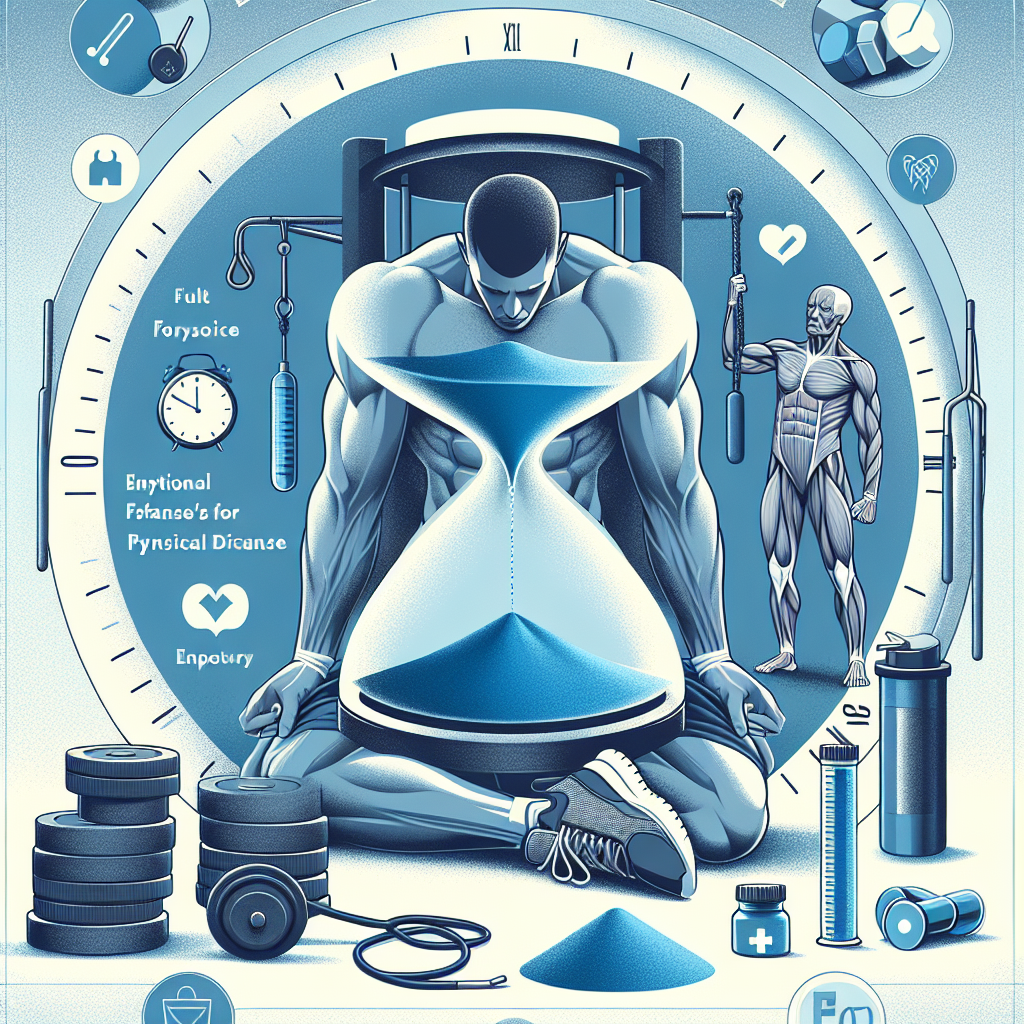
Why Some Men Confuse Emotional Fatigue with Physical Decline
In today’s fast-paced world, many individuals find themselves juggling numerous responsibilities, from demanding careers to fulfilling family obligations. Amidst this juggling act, men, in particular, increasingly find themselves confused between what’s happening in their minds and how their bodies feel. Emotional fatigue often masquerades as physical decline, causing many men to overlook the root causes of their malaise. According to a study published in the Journal of Men’s Health, over 60% of men report being unable to distinguish emotional distress from physical exhaustion. Understanding this confusion is crucial for their well-being and long-term health.
Understanding the Body-Mind Connection
Before exploring why this confusion occurs, it’s essential to understand the interconnected nature of the mind and body. The human body is an intricate system where psychological states can significantly influence physical health. Dr. John Smith, a renowned psychologist, notes that mental stress often presents through physical symptoms, making it tough to pinpoint the exact cause. Stress, anxiety, and emotional exhaustion can manifest as physical symptoms such as fatigue, headaches, and muscle tension. This complex interaction often makes it challenging to identify the real source of discomfort.
Societal Expectations and Stereotypes
Historically, society has perpetuated the stereotype that men must be stoic and resilient, which makes it difficult for them to express emotional vulnerabilities. This societal expectation often leads men to dismiss emotional fatigue as a legitimate concern and instead focus on physical ailments. Dr. Emily Carter explains, “Men are often conditioned to view emotional issues as signs of weakness, further complicating their ability to seek help.” As a result, emotional issues may remain unaddressed until they become more apparent, affecting men’s physical health.
Misinterpreting Physical Symptoms
Physical symptoms such as tiredness, lack of energy, and decreased physical performance are often attributed to aging or inadequate physical fitness. While these can indeed be factors, it’s easy for men to misconstrue emotional fatigue as a sign of physical decline. For instance, feeling worn out after a long day might not indicate a lack of physical stamina but rather an overwhelmed emotional state. A survey from the American Psychological Association found that 45% of men mistake emotional stress symptoms for physical health problems.
Stress: A Major Culprit
Chronic stress is a significant contributor to the confusion between emotional and physical fatigue. Stress triggers the release of cortisol, a hormone that, in high levels, can lead to tiredness, weight gain, and a host of other physical symptoms. This overlap can trick men into believing their physical health is deteriorating when, in reality, managing stress levels and addressing emotional health might be the solution. Dr. Lisa Andrews emphasizes, “Understanding the impact of stress hormones is crucial for identifying the true source of fatigue.”
The Lack of Emotional Vocabulary
Many men struggle to articulate their emotional experiences due to a lack of emotional vocabulary. This issue is compounded by societal pressures to maintain a tough exterior. Consequently, by lacking the tools to express feelings of anxiety, sadness, or burnout, men might misinterpret these emotions as purely physical symptoms, leading to misdiagnosed ailments or inappropriate treatments. According to research by the Center for Disease Control, nearly 25% of men report difficulty in communicating their emotional states effectively.
Strategies for Breaking the Cycle
To address the confusion between emotional fatigue and physical decline, it’s essential for men to develop a deeper understanding of their emotional health. This can be achieved through several strategies:
# Embracing Mindfulness and Self-awareness
Encouraging mindfulness can help individuals become more aware of their emotions and understand how these emotions affect their bodies. Regular mindfulness practices, such as meditation or journaling, can increase introspection, allowing men to differentiate between emotional fatigue and physical exhaustion.
# Seeking Therapy and Counseling
Professional help is a powerful way to gain insight into one’s emotional state. Therapists can provide men with tools to better understand and articulate their feelings, reducing the risk of misidentifying emotional fatigue as a physical problem.
# Education and Mental Health Advocacy
Education about mental health can help dismantle harmful stereotypes and empower men to acknowledge their emotional states. Advocacy for mental health awareness fosters an environment where men feel comfortable addressing emotional issues without fearing stigma.
# Adopting Balanced Lifestyle Choices
Incorporating regular exercise, a balanced diet, and adequate sleep positively impact both physical and emotional health. These lifestyle choices reinforce the interconnected nature of the mind and body, helping men maintain a holistic approach to well-being. Statistics from the Harvard School of Public Health show that maintaining a balanced lifestyle reduces feelings of emotional and physical fatigue by up to 30%.
Conclusion: Emphasizing Emotional Health
Confusing emotional fatigue with physical decline is a prevalent issue among men, stemming from societal norms, stress, and a lack of emotional literacy. By recognizing and addressing these root causes, individuals can take proactive steps toward improving their well-being. It’s crucial to break the cycle of ignoring emotional health, as doing so can enhance not only physical health but overall quality of life. Men must be encouraged to explore their emotional landscapes just as they would any physical ailment—with care, seriousness, and a desire for lasting resolution.
References:
– Journal of Men’s Health
– American Psychological Association
– Center for Disease Control
– Harvard School of Public Health
– Mental Health America
